
How solar panels work: From sunlight to household electricity
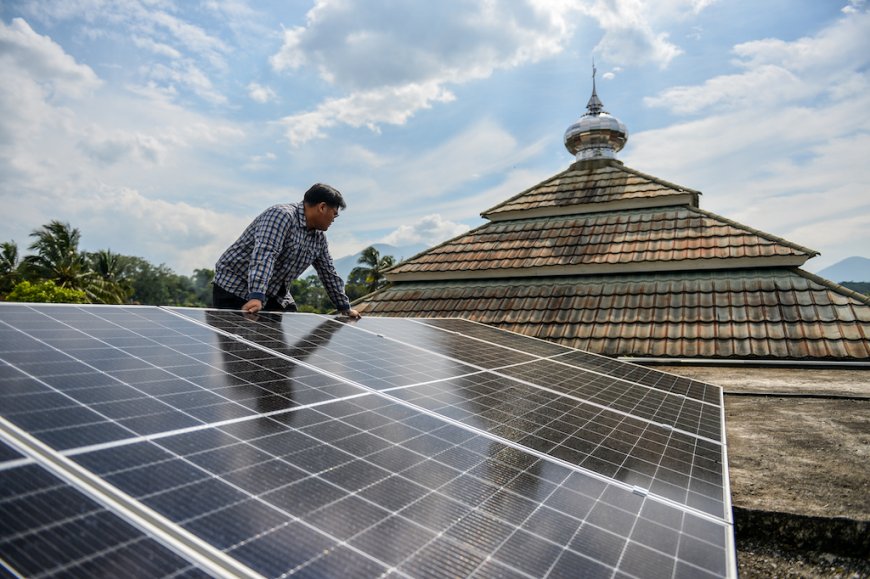
MOSAIC-INDONESIA.COM – Solar energy has become an option to make us less dependence on fossil fuels, which are still become dominant emissions on earth. Solar energy delivered through black silicon panels has even been touted as part of the success story in the fight against climate change. According to Greenpeace, fully functional solar panels were actually discovered in the early 19th century, precisely in 1881.
Nevertheless, over the past 15 years, this technology has continued to develop rapidly. Solar panels are now commonly seen on office buildings, homes, mosques, and Islamic boarding schools. But how exactly do solar panels work?
How it is work
Solar panels, made from semiconductor materials such as silicon, absorb tiny particles of light called photons. When photons strike the panel, they release their energy into it. This energy then reaches particles within the panel called electrons. The additional energy excites the electrons and allows them to move.
The electrons then travel toward metal plates called electrodes. This meeting generates an electric current that flows out of the solar panel. This current enters a circuit connected to the panel.
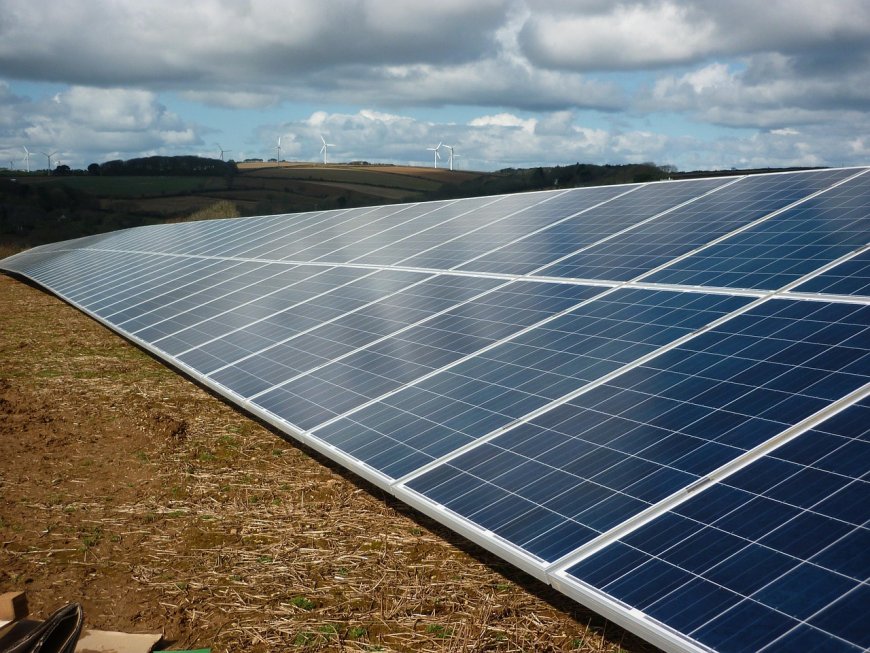
Solar cells: The basic building blocks
Solar cells are the fundamental components of a solar panel. Typically, a solar cell is made of two thin layers of silicon bonded together. These layers have been chemically treated to give them different electrical properties, enabling the solar panel to function.
If you look closely at a solar cell, you will see thin white lines running across its surface. These are the electrodes — metal strips that collect the electricity generated within the cell. On the back of the cell is a thin metal sheet that serves the same purpose, but can be solid because it does not need to let light through.
If you observe a detailed blue crystalline pattern on the cell's surface, you are looking at a polycrystalline cell, made by melting multiple silicon crystals together. Monocrystalline cells are plain black and made from a single silicon crystal. They are more efficient but also more expensive.
Structure of a standard solar panel
A standard solar panel installed on a rooftop consists of about 60 solar cells connected together under an anti-reflective glass cover, with a metal frame on the outside. Panels used in larger installations typically contain more cells.
Each panel also includes a junction box attached to the back. This box acts as an electrical gateway, ensuring that electricity cannot flow back into the panel when it is not generating power.
Lihat postingan ini di Instagram
Performance in various weather conditions
During rainy or cloudy weather, solar panels can still generate electricity because they capture energy from light, not heat. However, solar panels perform best under bright sunlight.
From DC to AC
The electric current produced by solar panels is direct current (DC). However, most household and commercial appliances use alternating current (AC). This is why an inverter is used to convert DC into usable AC electricity.
Utilization of Solar-Generated Electricity
Once solar energy is converted into electricity by the panels and inverter, it can be used for various household purposes. Here are three common uses of solar panels, as reported by AtoEnergy:
- Direct Use
The electricity generated can be used immediately to power electrical devices such as lights, electronics, and household appliances. - Storage
Electricity generated during the day but not used immediately can be stored in batteries for use at night or during bad weather. Converting solar energy into electricity allows not only direct use but also storage via battery technology. - Feed-in to the Grid (Net Metering)
If solar panels produce more energy than needed, the excess can be sold back to the power grid, creating an additional source of income for the owner.