Scientist developed bio solar panel from shallot skin
The researchers sought a more environmentally alternative for solar panel and turned to nanocellulose.
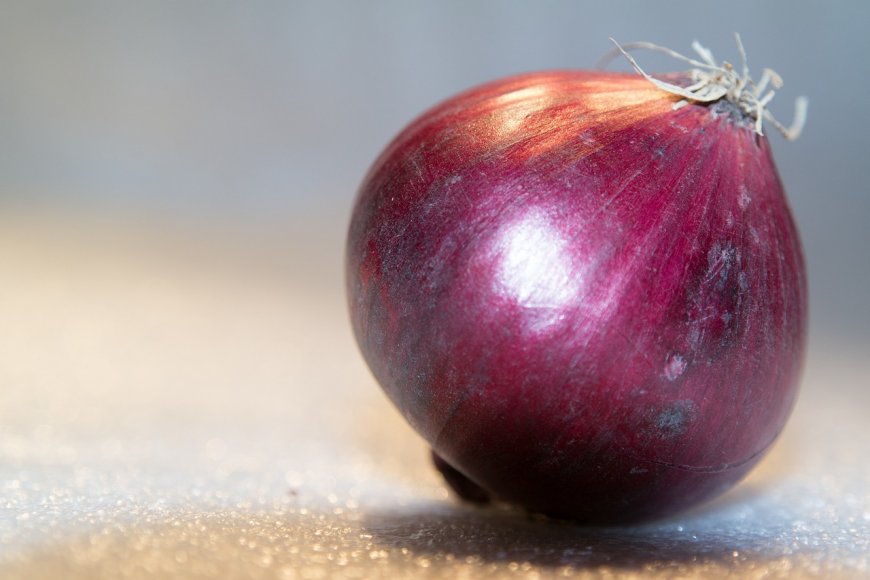
MOSAIC-INDONESIA.COM – Scientists from the University of Turku in Finland have successfully developed an organic ultraviolet (UV) protective film made from shallot skins that can be used in solar panel production. Behind the thin red onion skin, researchers discovered that the material not only blocks nearly all harmful ultraviolet rays but also outperforms commercial plastic-based films.
The shallot skin is extracted into an aqueous solution and used to treat nanocellulose film.
“The nanocellulose film treated with red onion dye is a promising option when protective materials must be bio-based,” said Rustem Nizamov, a doctoral researcher at the University of Turku, as reported by zmescience.com.
Biodegradable and Sustainable
Solar cells convert light into electricity. However, the same sunlight that powers solar cells can also damage their delicate components—especially the electrolyte in dye-sensitized solar cells (DSSCs), a type known for its flexibility and low-light performance. To mitigate this, manufacturers typically wrap solar cells in UV-protective films made from petroleum-based plastics like polyethylene terephthalate (PET). However, these plastics degrade over time and are difficult to recycle.
The researchers sought a more environmentally friendly alternative for solar panel and turned to nanocellulose, a renewable material derived from wood pulp. Nanocellulose can be processed into thin, transparent films that serve as perfect substrates for UV-blocking compounds.
Their breakthrough came when they dyed these films using an extract from red onion skins—a common kitchen waste. The result is a filter that blocks 99.9% of UV radiation up to 400 nanometers. For comparison, this performance even surpasses commercial PET-based filters.
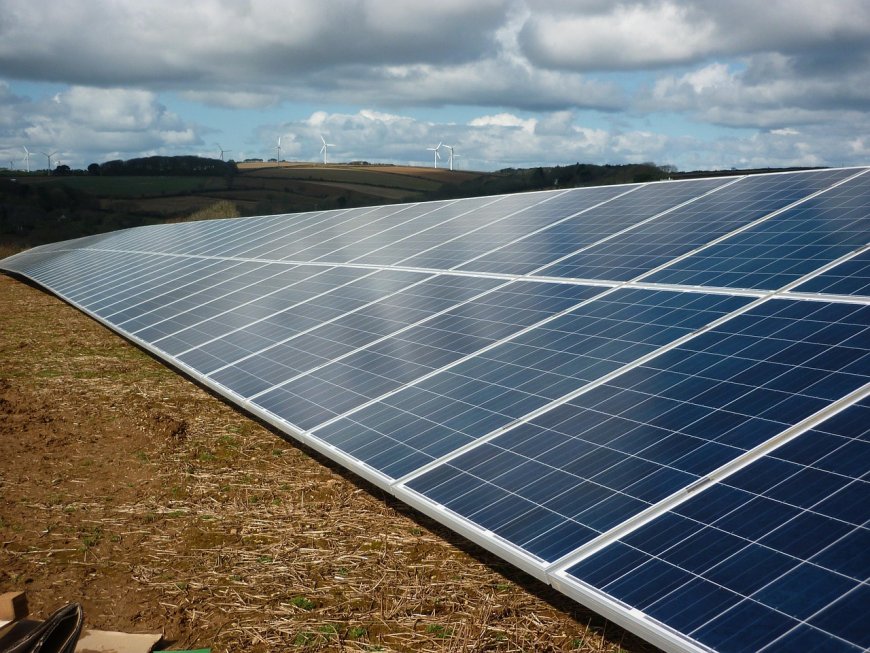
For solar cells, preserving visible light and near-infrared light is essential, as these parts of the spectrum generate electricity. Here, the filter treated with red onion skin extract excels, allowing over 80% of light in the range of 650–1,100 nm—the ideal range for energy absorption.
How Long Can This Material Last?
The researchers conducted rigorous testing on their filters: 1,000 hours of exposure to simulated sunlight, equivalent to about one year of outdoor use in Central Europe. They applied the filters to DSSCs and monitored the degradation of both the film and the underlying solar cell. Loss of color—specifically yellowing or "bleaching" of the electrolyte—signals chemical degradation of the solar cell's core.
“This study highlights the importance of long-term testing for UV filters, as the UV protection and light transmission of other bio-based filters change significantly over time,” explained Nizamov. “For example, films treated with iron ions initially have good transmission that decreases after aging.”
The CNF-ROE film—short for cellulose nanofiber with red onion extract—performed exceptionally well. It showed only minor color changes and preserved the electrolyte's yellow hue much better than other filters. Modeling based on early degradation trends even suggested that CNF-ROE filters could extend solar cell lifespan to about 8,500 hours, whereas PET-based filters only managed around 1,500 hours.
Onion-Flavored Solar Power
The researchers tested three other bio-based filters: one containing iron ions and the others using lignin nanoparticles—a byproduct of the paper industry. Although both showed potential in initial tests, they degraded more quickly under UV exposure. Specifically, the iron-treated film (TOCNF-Fe³⁺) showed fairly good UV blocking initially, but its light transmission and structural integrity declined significantly over time.
In contrast, red onion extract offers a rare combination of longevity, transparency, and sustainability. This is partly due to anthocyanins, pigment molecules that give red onions their deep red color. These compounds are known to absorb UV radiation. Additionally, red onion skins contain flavonol glycosides and phenolic acids, which may provide extra stability.
The team envisions biodegradable solar cells for smart packaging, remote sensors, or wearable devices—especially in applications where recovery and recycling are not feasible.
Their work is part of the BioEST project, funded by the Research Council of Finland, which supports sustainable innovation in electronics and materials science.
This achievement taps into a broader movement to decarbonize every step of solar energy production. Plastic packaging is one often-overlooked source of emissions in clean technology. Replacing fossil-based plastics with biodegradable alternatives helps close that cycle.