The secret why 90's solar panel still in the good condition after three decades
Most panels still produce more than 80% of their original output.
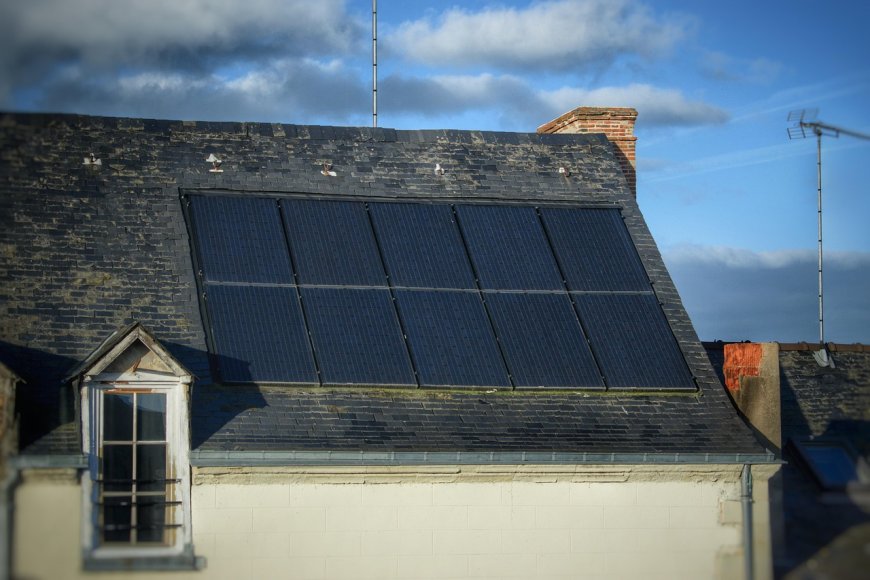
MOSAIC-INDONESIA.COM – Switzerland only began installing solar panels in the late 1980s. At that time, engineers chose gleaming panels to mount on rooftops, mountain stations, and even large-scale agricultural land. Three decades later, those panels are still functioning well.
A study by researchers from Switzerland, Austria, and Germany tracked six photovoltaic systems installed between 1987 and 1993 across various distinctly different climates in the country. The panels were installed in locations with temperate climates, snowy mountain huts, and high-altitude research stations perched above the clouds. After more than 30 years, they still reliably generate electricity.
According to the researchers, on average, panels installed in Switzerland lose only 0.24% of their performance per year—about three times slower than often reported in literature. Practically, most panels still produce more than 80% of their original output, far exceeding the 25 to 30-year warranties typically offered by manufacturers.
“This data truly shows that photovoltaics can last [longer than expected], and it is an important message for the photovoltaic industry,” said lead researcher Ebrar Özkalay from the University of Applied Sciences and Arts of Southern Switzerland, as quoted by Chemistry World via zmescience.com.

The findings closely align with results from France last year. There, Hespul, a renewable energy nonprofit, tested the country’s oldest rooftop solar power system, installed in 1992. After 31 years, the French panels still operated at nearly 80% of their original capacity—consistent with the Swiss data. Hespul stated that these results demonstrate “photovoltaics’ capacity to become one of the main energy sources in France and worldwide.”
The study indicates that solar panels, even those using outdated technology from decades ago, can continue operating for a very long time.
The secret lies in climate and materials
The Swiss study investigated why some panels age better than others. Location turned out to be influential. Panels in lowland cities, where surfaces can heat up to 80°C in summer, degraded faster. Constant heating and cooling cycles stress the materials, causing localized corrosion and reduced conductivity.
In contrast, panels installed in Alpine environments withstood cold weather exceptionally well. They faced high ultraviolet radiation and drastic day-night temperature shifts, but generally performed better than lowland panels.
However, a factor far more critical than climate was what researchers called the "bill of materials." Panels built with robust encapsulants, adhesives, and back-sheet laminations lasted much longer. Those early 1990s modules used durable EVA encapsulants, Tedlar back sheets, and solid glass/foil structures. Some variants, like the high-output Siemens SM55-HO panels, even had different filler materials in the lamination to enhance efficiency, which influenced how they aged.
Not all panels performed equally. The oldest models, produced before ultraviolet stabilizers were added to encapsulants, showed more discoloration and delamination. Others experienced solder bond failures that reduced efficiency. Yet, the fact that most continued to perform well after decades in the field is remarkable.
Lihat postingan ini di Instagram
Lessons for the Terawatt Era
Today, solar energy is no longer a small-scale experiment. Solar power supplies over 8% of the world’s electricity and represented 70% of all new renewable energy capacity added in 2023. As we enter what researchers call the “terawatt era” of photovoltaics, the long-term reliability of solar panels has become more crucial than ever.
The Swiss findings suggest that cutting material costs to boost efficiency or reduce prices could be a mistake. “The bill of materials—everything that goes into a panel—has a significant influence on performance, even when made by the same company,” said Dirk Jordan, a photovoltaic expert at the U.S. National Renewable Energy Laboratory.
Modern modules are often designed with thinner, cheaper materials. While successful in lowering upfront costs, this risks shortening their lifespan. For example, in Gujarat, India, many solar installations from 2009–2013 have experienced severe degradation, requiring replacement after only 8–12 years—well below the standard 25-year expectation. Causes include micro-cracks, poor manufacturing quality, soldering defects, and inadequate maintenance.
These older panels remind us that durability is just as important as efficiency and initial cost in making solar energy sustainable. Longer-lasting panels mean fewer replacements, lower costs, and a smaller carbon footprint.