Fikih Energy Transition: How Ummah contribute to the climate action
The Quran provides a very comprehensive account of energy.
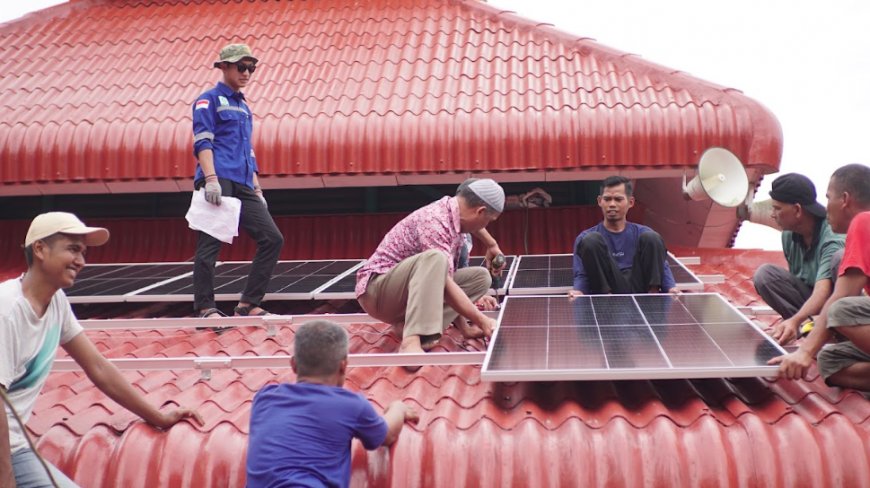
MOSAIC-INDONESIA.COM, JAKARTA — Muslims for Shared Actions on Climate Impact (MOSAIC) held a Webinar entitled 'Actualizing the Fiched of Equitable Energy Transition Through Energy Alms and Reflections on its Supportive Policy' on Wednesday-Thursday (19-20/11/2025).
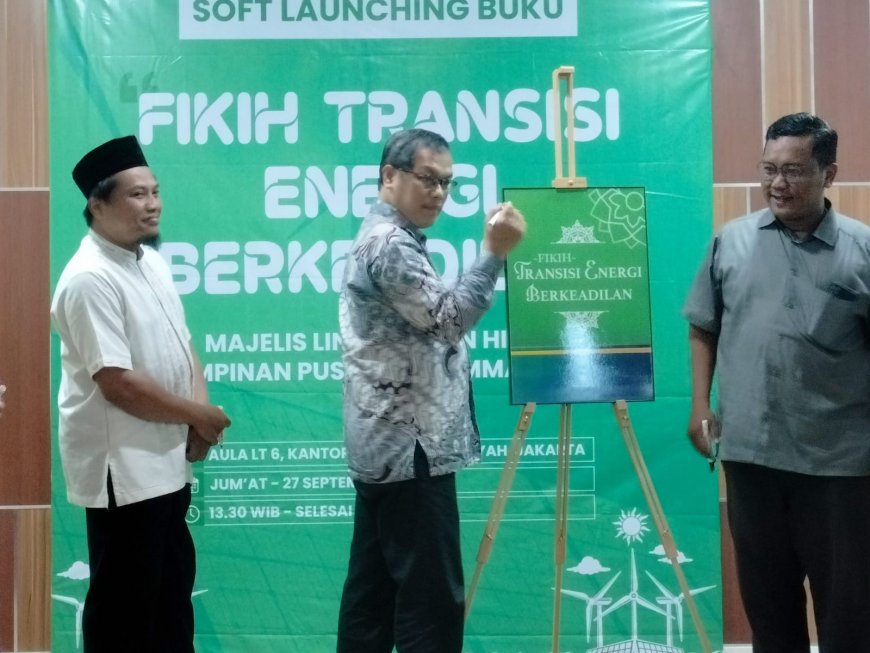
The event, which was held as a means of energy fiction literacy, also dissected the book Equitable Energy Transition Fiction by presenting two members of the Muhammadiyah Council of Tardz Ustadz Niki Alma Febriana Fauzi and Ustadz Qaem Aulassyahied who are the authors team.
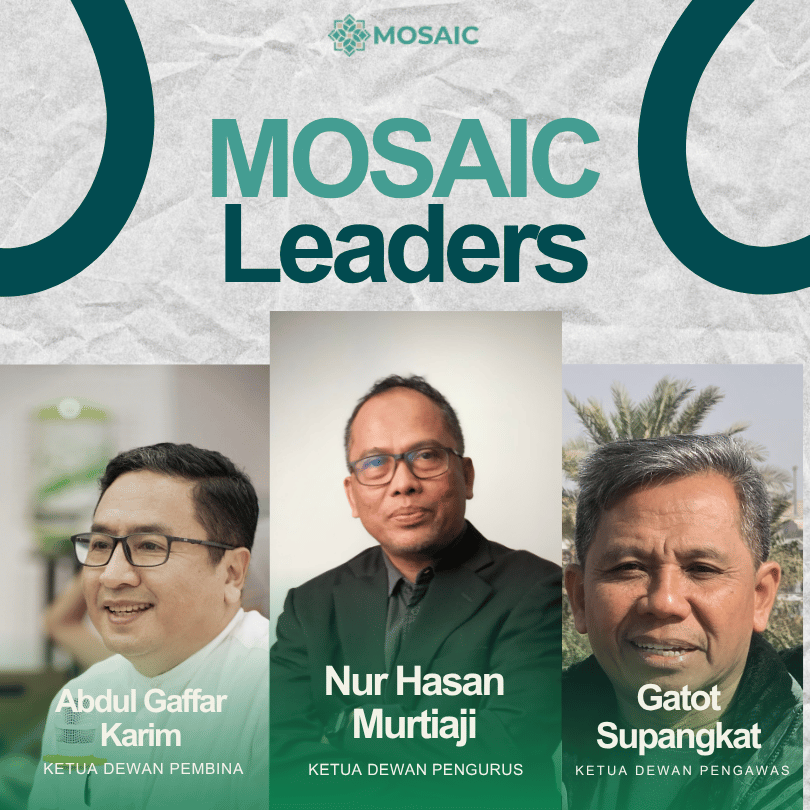
In his speech, MOSAIC Chairman Nur Hasan Murtiaji said that the book, which was developed by the Muhammadiyah and supported by MOSAIC, Purpose, and Greenfaith, is comprehensive in explaining the faith-related themes of energy transition. Not only speaking from the fiqh side, the book also explores how Islam views the sustainability of nature and the environment.
One of the things peeled away in the book is the Islamic perspective on energy sources. According to Hasan, there are seven sources of energy mentioned in the Quran and Hadith. The seven sources of energy are water as a source of life (QS Al-An'am: 99), the sea for transportation and life (QS al-Jatsiya:12), earth and its sediments as mineral resources (QS al-Baqarah: 29), the sun as a potential energy source (QS Jonah: 5), wind as energy and bearer of glad tidings (QS ar-Rum: 46), crops such as olives for biofuel, and fire as a source of heat and energy (QS Al-Waqi'ah: 71).
Hasan said, “So comprehensively the Quran explains about this source of energy. “And the interesting thing is that there are many energy alternatives mentioned in the Quran, in addition to fossil energy itself,” he said on Wednesday (11/19/2025).
Meanwhile, Ustadz Niki Alma revealed, the book takes the term fiqh because it is a term that is inherent in society, grounded and less likely to be 'garange'. He explained that Muhammadiyah fiction is a concept of understanding that Islamic law is built by three tiered norms.
First, the basic values (Al-Qiyam al-Asasiyyah); Second, the general principles (Al-Ushul al Kulliyah); finally, concrete rules such as guidelines and guidelines (al-Ahkam al-Far'iyyah). In the context of the Renewable Energy Transition Concept, Ustadz Niki Alma explains, one of the fundamental values is the concept of ecological tohid. That is, a belief as created by man, the earth is not simply created by nature. He explained that this universe was created by Allah SWT.
“As a representative of civil society, Muhammadiyah has a responsibility to respond to various contemporary issues such as the issue of water, the crisis of advanced Islamic treatises. In this context, the idea of an equitable energy transition is a form of ijtihad from what was conceived earlier, sustainability to respond earlier because we have a responsibility from our religious side,” he said.
On a practical level, it is expected that there will be application of the idea of energy transition from global, state, social, private to spatial levels. For a global level, developed countries are judged to have to put justice forward by initiating the renewable energy transition first without burdening third world countries. At the state level, the involvement of local communities and appreciation of community values and norms, especially in relation to customs, must be promoted.
Talking about ormas, there should be efforts to support renewable energy solutions including financing through zakat, infak, alms and waqf (Ziswaf) as a crowdfunding model. For private individuals, it can integrate the energy transition into a roadmap or environmental, social, governance (ESG) strategy. Meanwhile, the footprint level is to develop local energy solutions according to needs and available resources.
Meanwhile, Ustadz Qaem explained, the fiqs compiled in the book undergo a creative process without leaving the Quran and Sunah. For example, he explains, conservation in the book is described in two meanings. First, the effort to do energy efficiency. Second, an attempt to eliminate alternative energy sources.
Furthermore, Ustadz Qaem Aulassyahied recited a hadith narrated by Imam Bukhari and Muslims: “Do not light a fire while you are asleep.”
Ustadz Qaem Aulassyahid explains, “In the classical fiqh, this hadith is a directive or a clue that the fire of illumination should be extinguished while we sleep. In order of Hifzun Nafs. Do not let the fire left be life threatening. While on the other hand, there is the spirit of the prophet teaching us to be more energy efficient. If the fire is not needed, it must be temporarily extinguished.”
According to him, the hadith also describes God not only creating the energy that we are used to reaching and then depleting. “We need alternative energy sources keeping balance being the fundamental value of the creation of the universe,” he said.