Inaq strugle for clean energy and water sovereignity
Water is a fundamental human right, with women often bearing the brunt of its scarcity.
REKA MAHARWATI; Enter Nusantara
REPUBLIKA.ID; Located in the southern region of Lombok Island, West Nusa Tenggara, Pandan Indah Village is quite different from the upstream areas of Sembalun, which are blessed by fertile plantations and abundant water resources. This south area faces chronic water scarcity due to its arid climate and geographical challenges.
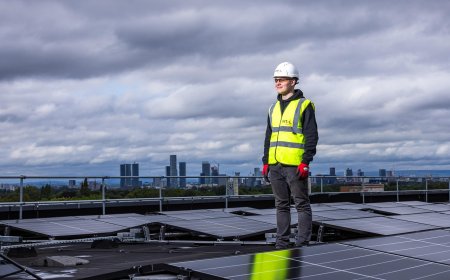
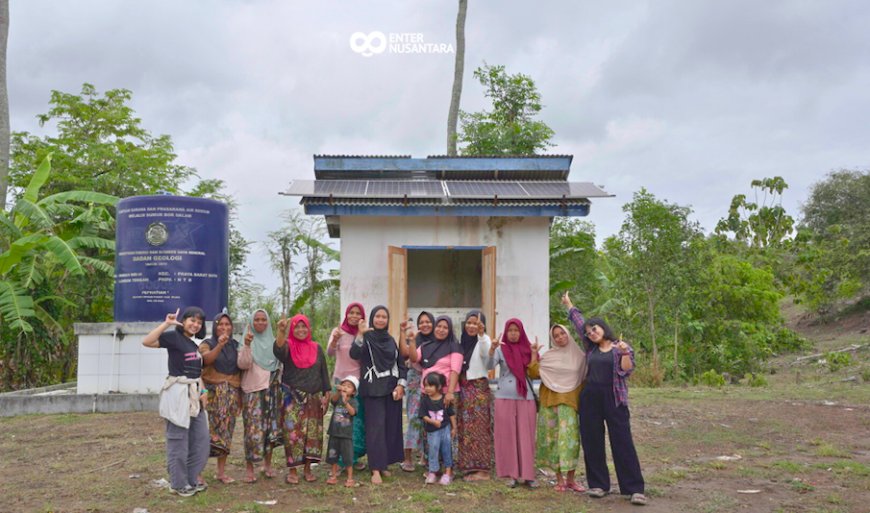
In this village, the Inaq (a Sasak term for "mothers" or elder women) have achieved a landmark victory. In 2025, they successfully secured village fund allocations to establish a Solar Power System (PLTS) which are watering residential areas.
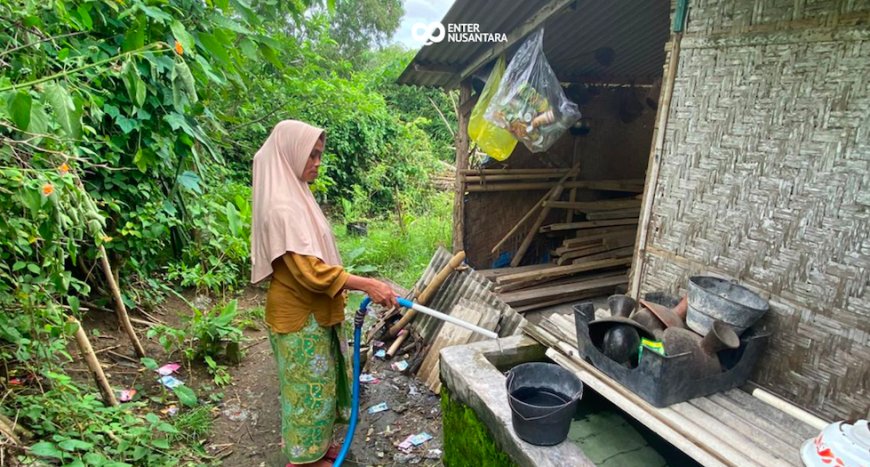
For decades, residents like Inaq Samsiah had to manually carry water containers weighing over 5 kg on their heads, making more than ten trips a day over long distances. For the women of Pandan Indah, this grueling labor was an unavoidable necessity.
The Limitations of non-sustainable solutions
Water is a fundamental human right, with women often bearing the brunt of its scarcity. While the community received a diesel-powered water pump grant from the Ministry of Energy and Mineral Resources (ESDM) in 2015, the solution proved unsustainable. Rising fuel prices and the logistical difficulty of procuring diesel from distant stations imposed a heavy financial burden. In a community reliant on subsistence farming and livestock, paying 15,000 IDR per liter of diesel—often just to secure a one-week supply of water—was economically draining.
The intersection of economic instability and the climate crisis has further exacerbated these conditions. Prolonged droughts have led to diminished agricultural yields and lower livestock market value, as water scarcity prevents cattle from reaching optimal weight.
Gender perspectives in energy advocacy
According to Muhamad Yueni (Bang Wen) from Gema Alam, organizing the community to advocate for state-mandated rights requires a long-term commitment. Energy transition must be equitable and community-centric. Bang Wen emphasizes that planning inclusive of women’s perspectives tends to benefit the entire collective; however, village budgetary planning has historically been male-dominated, marginalizing women from the decision-making process (Musyawarah Desa). This exclusion is counterintuitive, as women are the primary managers of household water, electricity, and food energy.
A critical gap also exists in knowledge transfer. When top-down solutions—such as the transition from firewood to LPG—are implemented without considering social safety, they
can create new vulnerabilities. The lack of community-based technical support has, in some cases, exposed women to risks of exploitation and gender-based violence when seeking assistance with unfamiliar technology.
Empowering community-led financing
The financing of Indonesia’s energy transition remains a complex issue. Despite the 314 trillion IDR pledge through the Just Energy Transition Partnership (JETP) in 2022, systemic barriers continue to hinder progress at the grassroots level.
The women of Pandan Indah began their advocacy by attending Sekolah Rakyat, where they gained insights into environmental rights and gender equality. Armed with this knowledge, they identified clean water access as their strategic priority.
In collaboration with Gema Alam and technicians from SMK 1 Lingsar, the Inaq proposed transitioning from diesel to solar energy. Recognizing their rights as taxpayers and citizens, they argued that village funds—originating from the state budget—should be allocated to infrastructure that meets their essential needs. While the village administration eventually approved the proposal, a significant policy hurdle remains: the Ministry of Villages (KEMENDES) financial system currently lacks explicit budget "accounts" or slots dedicated to community-based renewable energy, making fund disbursement technically difficult.
Conclusion: A model for just energy transition
The success of the Inaq in Pandan Indah serves as a model for Community-Based Renewable Energy (CBRE). This victory was made possible through multi-stakeholder collaboration, where community initiatives were met with administrative support from village officials. Such synergy fosters a sense of collective ownership and long-term sustainability.
To achieve national energy goals, development agendas must address root causes by prioritizing the pillars of a clean and just energy transition, one that is inclusive, transparent, and driven by the needs of the people.